
Emulsions are used in a wide range of industries, including pharmaceuticals, food, cosmetics, chemicals, and coatings.
There are several types of emulsions, including microemulsions, Pickering emulsions, and nanoemulsions. Although these emulsions differ in droplet size and stabilization mechanisms, the same analytical approaches can be used to understand their stability and optimize formulation performance.
However, emulsions are naturally unstable systems, and even small changes can affect how droplets interact over time.
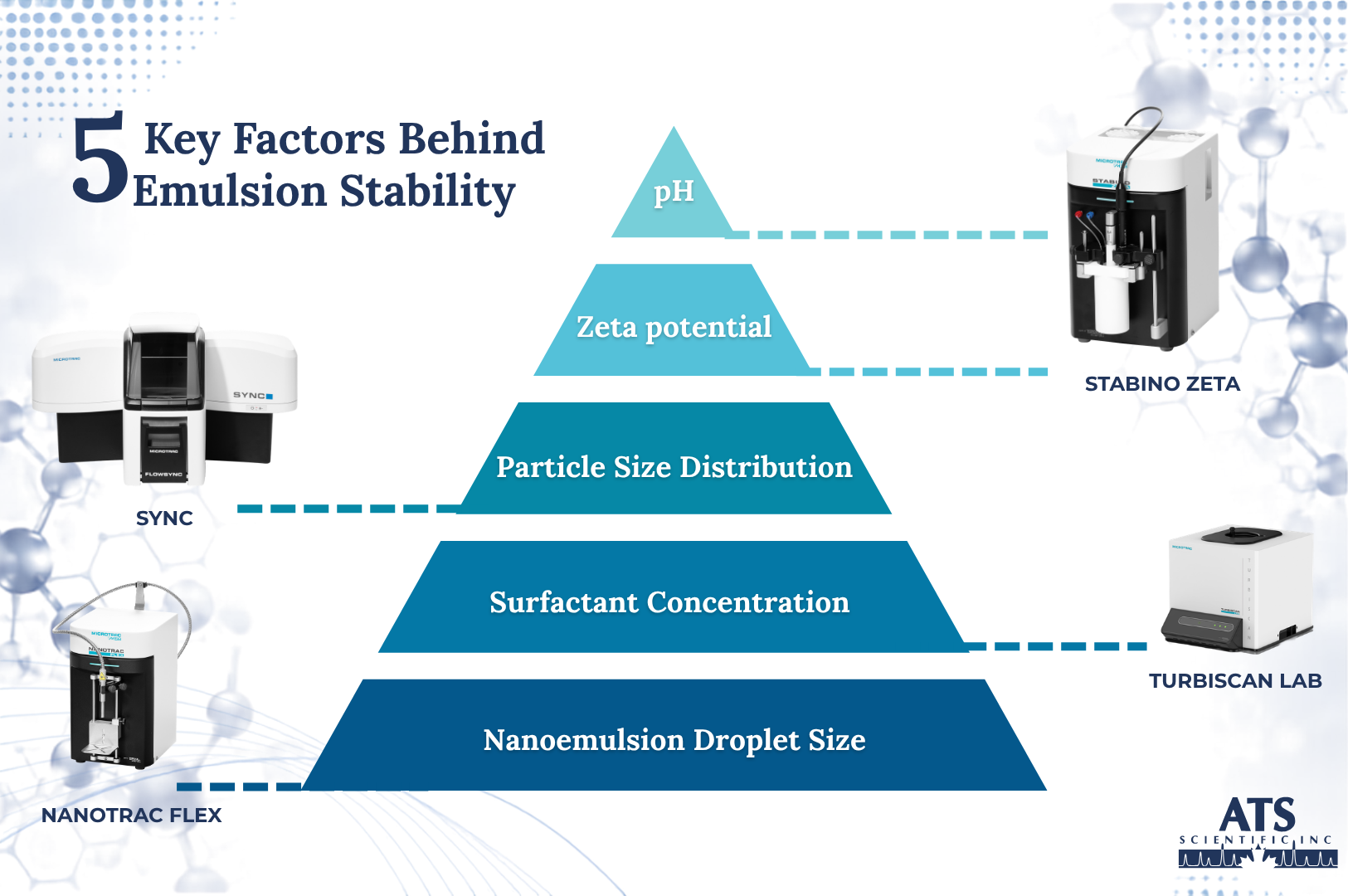
Understanding the factors that influence droplet behavior is key to developing stable formulations. The five most commonly evaluated factors are:
- Surfactant concentration – Determines whether droplets receive sufficient interfacial coverage to remain stable.
- Zeta potential – Indicates the net electrostatic repulsion between droplets and their ability to remain dispersed.
- pH – Controls surface charge changes that influence droplet dispersion.
- Particle size distribution – Evaluates the overall droplet population and size consistency in emulsions.
- Nanoemulsion droplet size – Measures nanoscale droplets and detects subtle size changes.
1. Surfactant Concentration
Surfactants help stabilize an emulsion by reducing the interfacial tension between the dispersed phase and the continuous phase. The optimal surfactant concentration allows droplets to be fully covered and remain dispersed.
If the surfactant concentration is too low, droplets may not receive enough surface coverage, increasing the likelihood of aggregation and phase separation.
Too much surfactant, however, can increase formulation costs and may change the emulsion's behavior without improving stability.
How to Analyze It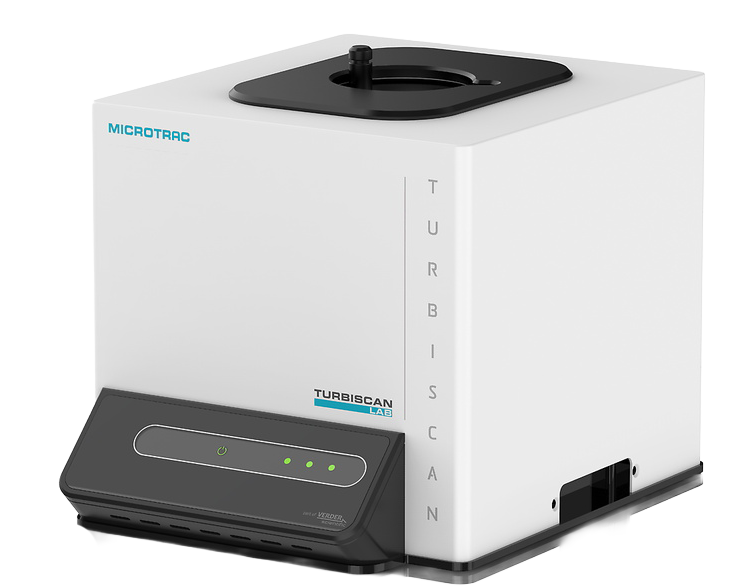
Microtrac TURBISCAN LAB identifies the optimal surfactant concentration in approximately 10 minutes
- Detects instability up to 1,000× faster than visual observation
- Provides quantitative and objective stability measurements
2. Zeta Potential
Zeta potential indicates the electrical charge surrounding emulsion droplets. It helps predict whether droplets are likely to remain dispersed or become more susceptible to separation over time.
When droplets have sufficient surface charge, they repel each other through electrostatic forces. This repulsion helps reduce aggregation, flocculation, coalescence, and creaming.
When the surface charge is low, droplet interactions increase, making the emulsion unstable and eventually leading to full phase separation.
How to Analyze It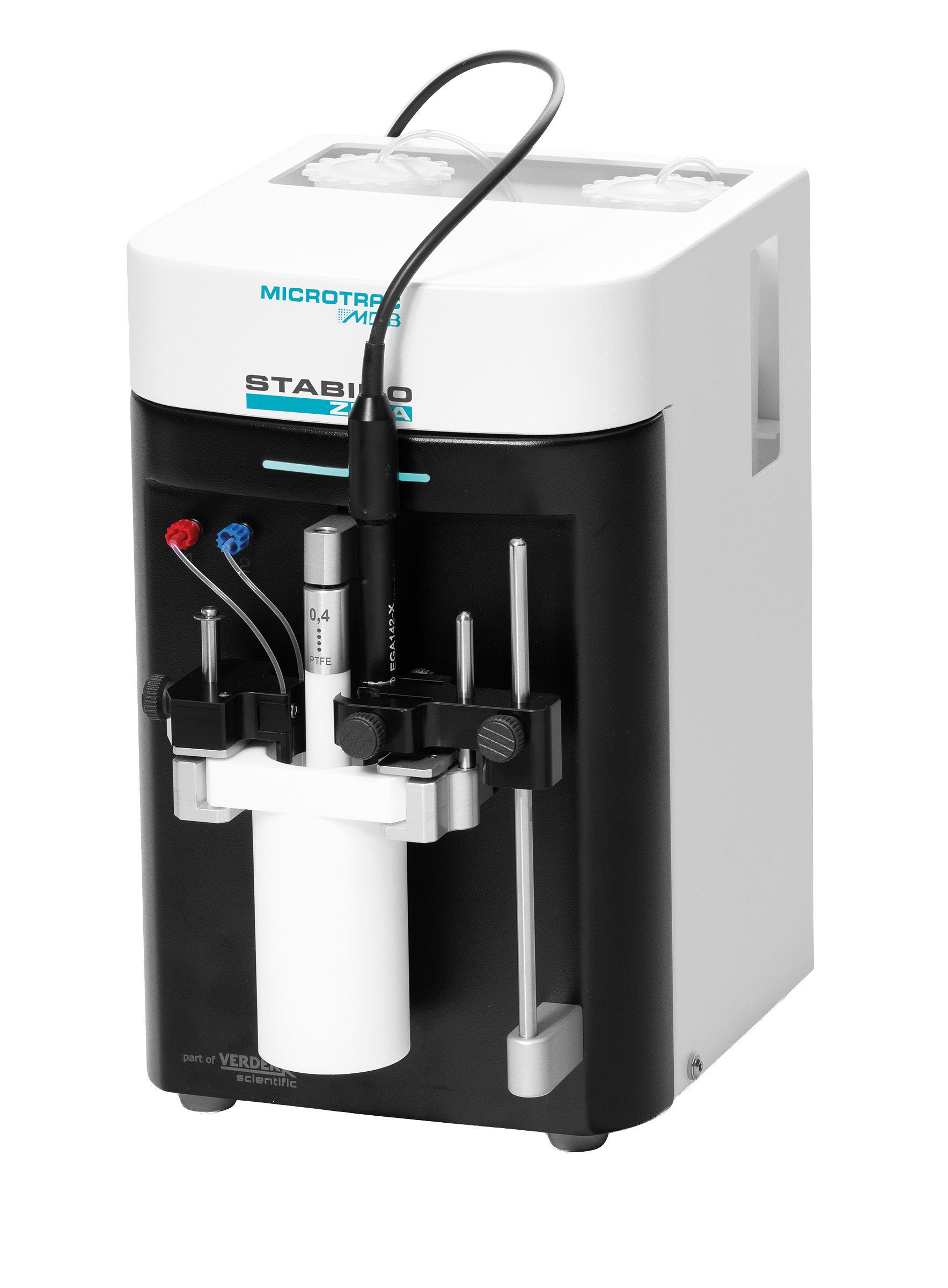
Microtrac STABINO ZETA measures zeta potential and evaluates surface charge behavior.
- Direct zeta potential measurement
- Surface charge analysis
- Evaluation of dispersion properties under different formulation conditions
3. pH
The pH can affect the surface charge of droplets. As the pH changes, droplet interactions may also change, influencing the overall stability of the formulation.
Every emulsion has an optimal pH range where dispersion is most effective.
Measuring across different pH values helps formulators identify the conditions that support better emulsion performance.
How to Analyze
Microtrac STABINO ZETA combines zeta potential measurements with automatic titration.
- Measuring zeta potential across different pH values
- Uses built-in automatic titration to evaluate formulation behavior
- Identifies pH conditions that support better dispersion properties
4. Particle Size Distribution
Particle size distribution describes the overall droplet population and size consistency within an emulsion.
A wide particle size distribution indicates inconsistent droplet formation.
Larger droplets are also more likely to contribute to separation mechanisms such as creaming or sedimentation.
How to Analyze It
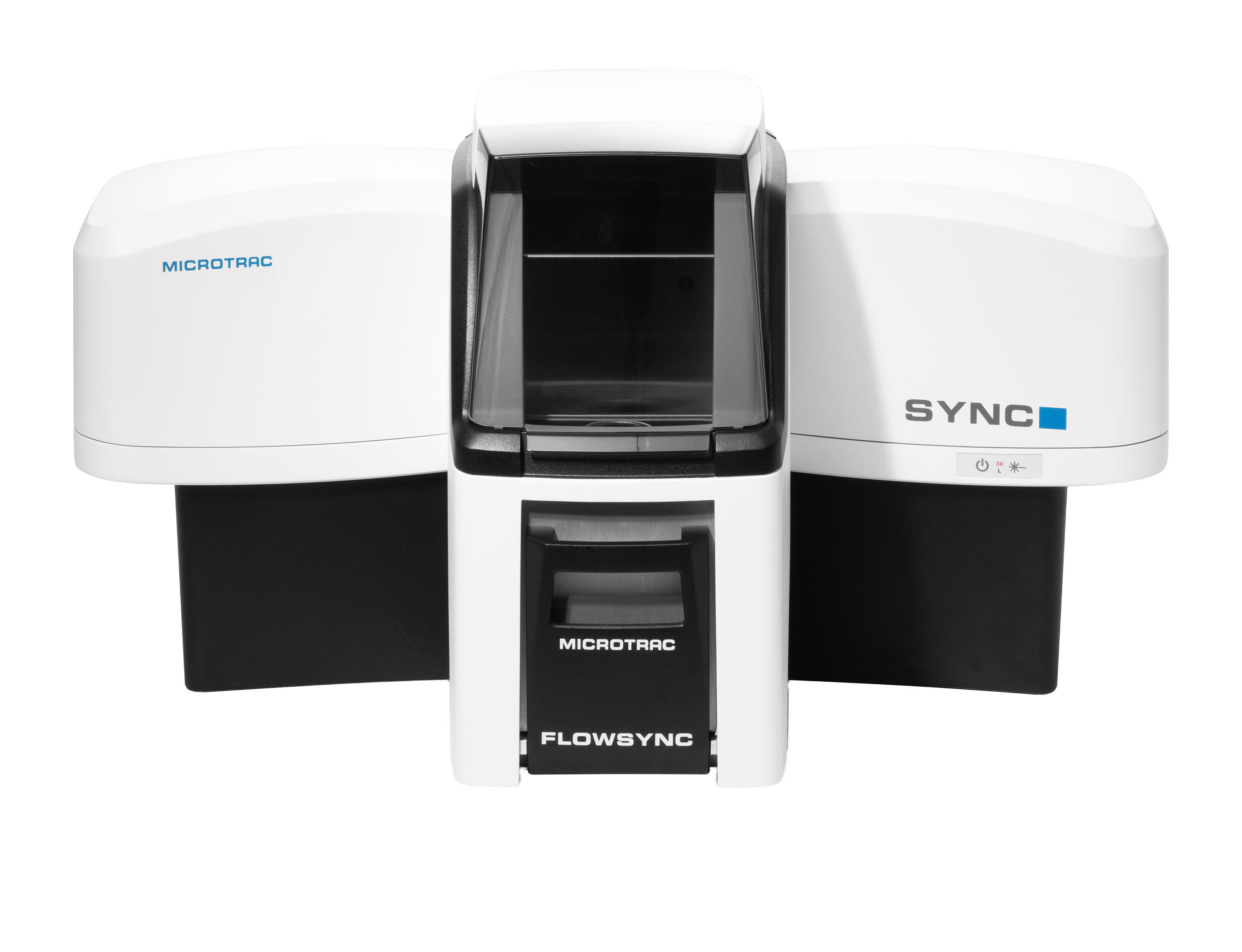
Microtrac SYNC combines laser diffraction with dynamic image analysis to provide comprehensive particle characterization.
- Particle size distribution measurement
- Simultaneous particle size and particle shape analysis
- Wet and dry measurements across a broad size range
5. Nanoemulsion Droplet Size
Even small changes in droplet size can influence transparency, stability, and overall formulation performance.
Accurate nanoscale particle size analysis helps formulators monitor these subtle changes throughout product development.
How to Analyze It
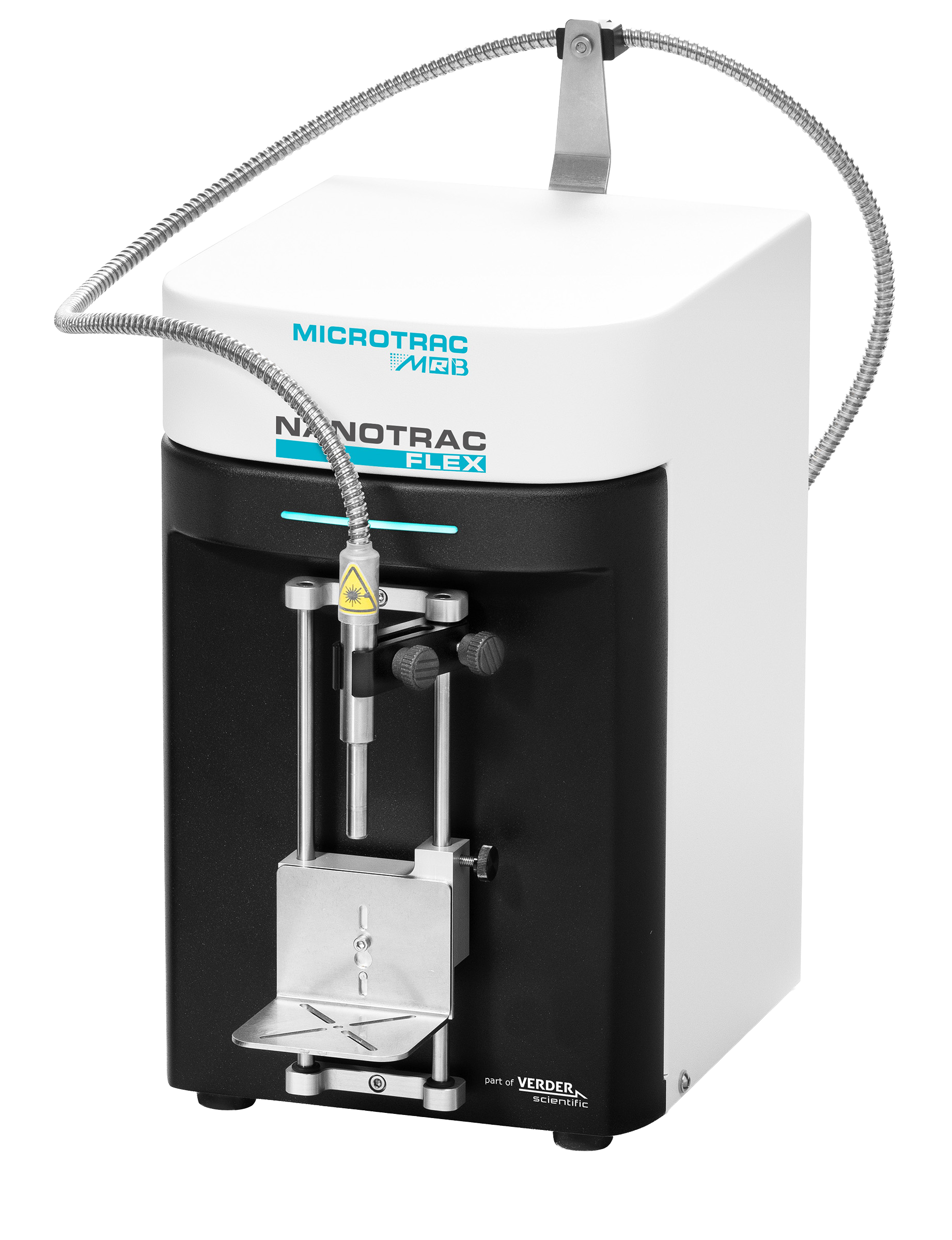
Microtrac NANOTRAC FLEX is designed for nanoscale particle size analysis.
- Detection of subtle droplet size changes
- External probe for dip-and-measure analysis
- In-situ particle sizing and monitoring
Conclusion
Emulsion stability depends on several interconnected factors rather than a single measurement. Each factor provides unique insight into formulation behavior.
By evaluating these five parameters together, formulators can better understand their emulsions, optimize formulation conditions, and reduce trial-and-error during product development.